

ANIMALS FOR SOCIAL JUSTICE
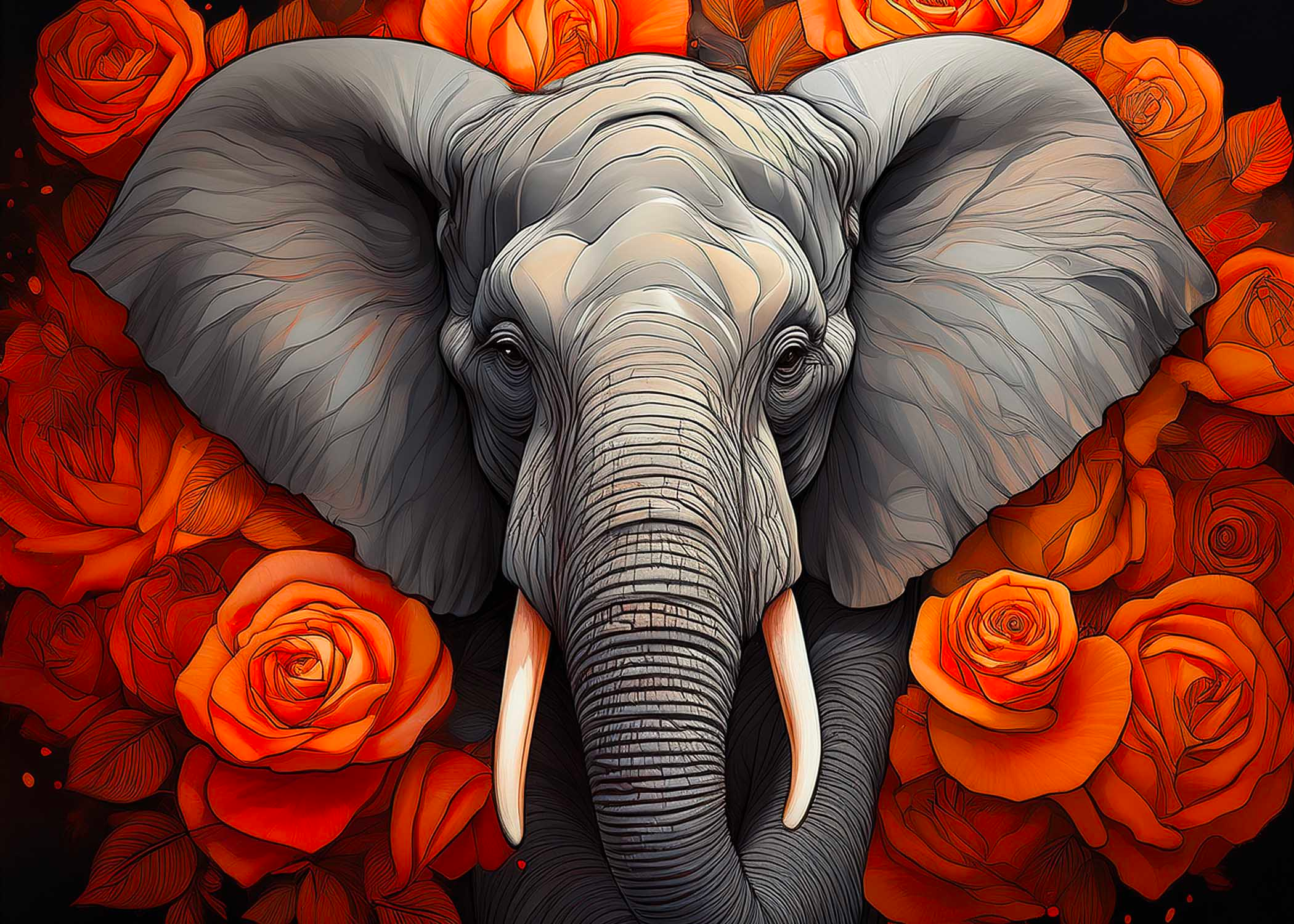
ANIMALS FOR SOCIAL JUSTICE is an art exhibition, a campaign, and a multimedia art project created by journalist, best-selling books’ author and, artist Alessandra Mattanza, developed with the support of her international and global team, AI and important partnerships, including the support of the UN Exhibits team. Social justice for animals centers on recognizing that animals deserve ethical consideration and protection, and that their well-being is interconnected with human well-being and the environment. This perspective views animal protection as a social justice issue, highlighting the disparities and injustices animals face due to human actions and systems.
Social justice for animals is a call for a more compassionate and equitable world for all living beings, recognizing that animal well-being is inextricably linked to human well-being and the planet’s health.
Animal social justice and biodiversity are interconnected concepts. Recognizing animals as having inherent value and advocating for their rights can contribute to a more just and sustainable world, benefiting both human and non-human communities. This approach acknowledges that animal well-being is linked to the health of ecosystems and the planet, highlighting the importance of considering animals in social justice frameworks.
Beyond Animal Welfare
While animal welfare focuses on reducing suffering, animal social justice expands the scope to include issues like animal rights, interspecies equity, and the interconnectedness of animal and human well-being.
Interspecies Equity
This concept emphasizes the need to ensure fair and equitable treatment for all species, acknowledging that animals have their own needs and interests that should be respected.
Intersectionality
Recognizing that social justice issues often intersect with animal welfare, for example, how marginalized human communities may also be disproportionately affected by environmental degradation or animal agriculture practices.
ANIMAL AND SOCIAL JUSTICE ADVOCATES: WHO?
UNITED NATIONS’ SDGs ADVOCACY
SDG 14: Life Below Water
SDG 14, Life Below Water, aims to conserve and sustainably use oceans, seas, and marine resources for sustainable development, addressing issues like pollution, overfishing, and climate change impacts on marine ecosystems. SDG 15, Life on Land, focuses on protecting, restoring, and promoting the sustainable use of terrestrial ecosystems, including forests, drylands, and mountains, to combat desertification, land degradation, and biodiversity loss.
Purpose
To ensure oceans and marine resources are used sustainably, which is vital for climate regulation, food security, and economic activity.
Key Issues
Pollution: Marine debris (especially plastic), nutrient pollution from land-based runoff, and other waste degrade marine environments.
Overfishing: Illegal, unreported, and unregulated (IUU) fishing negatively impacts fish populations, small-scale fisheries, and the global economy.
Ocean Acidification & Warming: Rising temperatures and changes in ocean chemistry damage marine ecosystems.
Actions
The United Nations Office on Drugs and Crime works on sustainable fishing practices and combating illegal timber and wildlife trafficking, which have ripple effects on marine environments.
SDG 15: Life on Land
SDG 15, Life on Land, focuses on protecting, restoring, and promoting the sustainable use of terrestrial ecosystems, including forests, drylands, and mountains, to combat desertification, land degradation, and biodiversity loss.
Purpose
To ensure healthy terrestrial ecosystems, which provide essential resources like clean air and water, support biodiversity, and contribute to climate change mitigation.
Key Issues
Deforestation & Land Degradation: Significant loss of forests and degradation of drylands lead to desertification and loss of valuable habitats.
Biodiversity Loss: Human activities and climate change pose major threats to biodiversity, with many species at risk.
Illegal Wildlife Trade: Poaching and trafficking of protected species are significant challenges.
Actions
Sustainable Forest Management: The Food and Agriculture Organization (FAO) promotes sustainable forest management to protect ecosystems and livelihoods.
Conservation: Efforts include protecting terrestrial and marine areas, such as forests, wetlands, and coastal zones, and managing invasive alien species.
Alternative Development: Programs supporting land stabilization and building community resilience can help preserve natural resources.
POLICY AND SOCIAL ADVOCACY
Advocates like UNEP work to influence local, national, and international policy decisions to promote animal welfare and environmental protection. UNEP hosts CITES (the Convention on International Trade in Endangered Species of Wild Fauna and Flora), which regulates international trade in endangered species to prevent overexploitation.
LEGAL ADVOCACY
Organizations like the Animal Legal Defense Fund use legal action to protect animals from harm and advance animal protection laws.

ANIMALS AND SOCIAL JUSTICE: WHY?
ANIMALS AND SOCIAL JUSTICE FRAMEWORKS
Challenging Speciesism
Social justice for animals critiques “speciesism,” the prejudice or discrimination based on species, which often underlies the exploitation and mistreatment of animals.
Interconnectedness
Many argue that animal well-being is inseparable from human well-being and the planet’s health, emphasizing the need for a holistic approach to justice.
Eliminating Domination and Oppression
Animal rights movements seek to eliminate systems of domination and oppression that lead to animal suffering, mirroring the goals of other social justice movements.
ANIMAL AND SOCIAL JUSTICE ISSUES
Animal Agriculture
The intensive farming practices used in animal agriculture are often cited as a major social justice issue due to their environmental impact, worker exploitation, and the inherent suffering they inflict on animals.
Wildlife Conservation
Protecting endangered species and their habitats is crucial for maintaining biodiversity and ecological balance, and it is a social justice issue as it impacts the rights of future generations to experience a healthy planet.
Companion Animals
Access to affordable veterinary care, pet-friendly housing, and protection from abuse and neglect are all social justice issues for companion animals and their human companions.
Animal Testing
Using animals in research and testing raises ethical concerns about animal welfare and the potential for alternative methods.
Environmental Justice
Communities disproportionately affected by pollution and environmental degradation often suffer from the impacts of industrial animal agriculture and other practices that negatively affect human and animal populations.

ANIMALS AND SOCIAL JUSTICE: WHAT?
BIODIVERSITY
Ecological Balance
Animals play crucial roles in maintaining biodiversity and healthy ecosystems.
Ecosystem Services
Animals contribute to essential processes like pollination, seed dispersal, nutrient cycling, and pest control, which are vital for the functioning of ecosystems and the provision of resources for humans.
Habitat Preservation:
Protecting animal habitats is essential for maintaining biodiversity and preventing species extinction.
SOLUTIONS
Interconnectedness
The health and well-being of animals are intrinsically linked to the health and well-being of ecosystems.
Sustainable Practices
Integrating animal welfare considerations into conservation and land management practices can lead to more sustainable outcomes, promoting biodiversity and ecosystem health.
Ethical Responsibility
Recognizing the inherent value of animals and advocating for their rights is an ethical imperative and a practical necessity for creating a more just and sustainable world.
Sustainable Agriculture
Promoting animal welfare in agricultural practices can lead to more sustainable food systems that minimize environmental impact and ensure the well-being of both animals and humans.
Conservation Efforts
Involving local communities in conservation efforts and ensuring that they benefit from protected areas can lead to more effective and socially just conservation outcomes.
Urban Wildlife
Considering the needs of urban wildlife and creating green spaces that support both human and animal populations can enhance biodiversity in urban environments.
Raising Awareness
Public education campaigns and media outreach highlight are used to highlight the interconnectedness of animal rights and other social justice issues, encouraging people to consider the ethical implications of their choices.
Community Engagement
Efforts are made to engage communities in animal welfare conversations and to promote pet-friendly policies and practices.
Intersectional Approaches
Advocates are increasingly working with other social justice movements to address the root causes of injustice and oppression faced by both humans and animals.